- Peak season: July to September
- Average water temperature: 28-30°C (82-86°F)
- Visibility: Up to 30 meters (98 feet)
The Derawan Islands, part of Indonesia’s East Kalimantan province, are a prime destination for divers and travelers seeking rich marine biodiversity. Home to diverse ecosystems, these islands attract adventurers year-round. However, understanding the best time to visit can greatly enhance your experience. Below, we explore the seasons, weather patterns, and marine life activity to help you plan your trip.
Seasons in the Derawan Islands
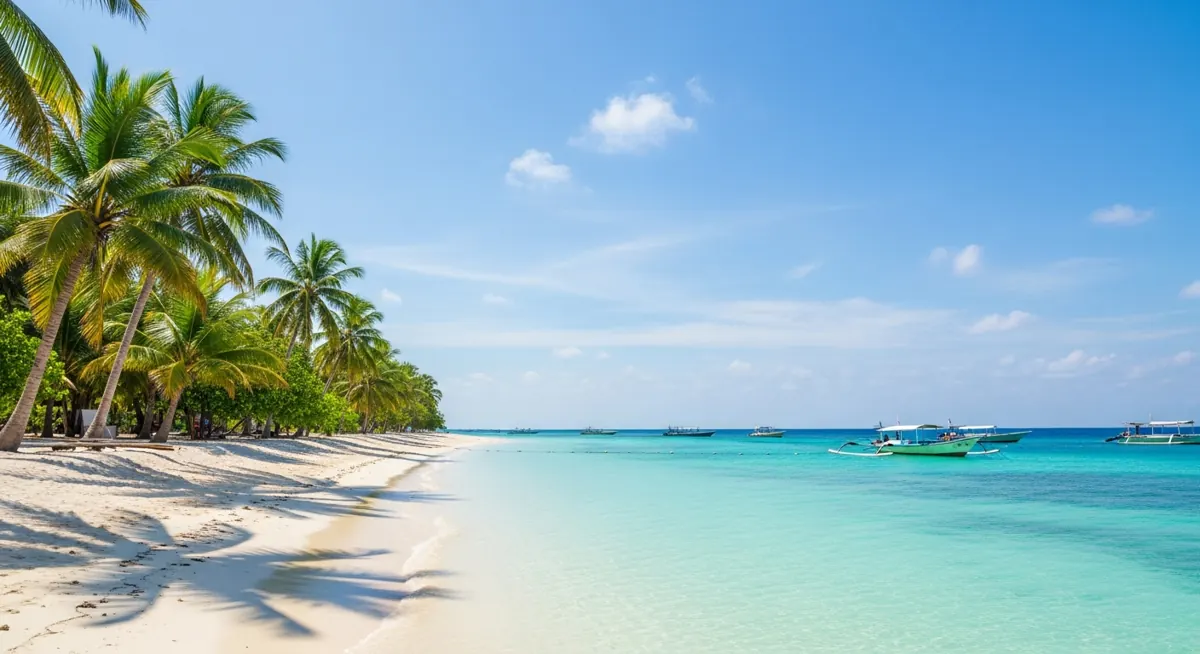
The climate in the Derawan Islands is tropical, characterized by two primary seasons: the dry season and the wet season. The dry season is generally considered the best time to visit, offering ideal conditions for diving and other outdoor activities.
- Dry Season: March to October
- Wet Season: November to February
Dry Season: March to October
The dry season is marked by lower humidity, less rainfall, and calmer seas, making it the best time to visit the Derawan Islands. This period includes the peak tourist months of July to September, where visitors can expect optimal diving conditions and a wide variety of marine life.
During the dry season, average temperatures range from 28°C to 32°C (82°F to 90°F), with water temperatures hovering between 28°C and 30°C (82°F and 86°F). Visibility underwater can reach up to 30 meters (98 feet), offering divers a chance to explore the vibrant coral reefs and encounter diverse marine species, including turtles, manta rays, and various tropical fish.
Wet Season: November to February
While the wet season brings increased rainfall and higher humidity, it does not mean a complete stop to travel activities. However, visibility can drop significantly, and rough seas may lead to cancellations of boat trips. Rainfall can be heavy, particularly in December and January, which might hinder outdoor excursions.
Despite these challenges, some travelers choose to visit during the wet season for fewer crowds and lower accommodation prices. If you decide to travel during this time, it’s advisable to have flexible plans to accommodate potential weather disruptions.
Marine Life Activity
The Derawan Islands are renowned for their rich marine biodiversity, and different times of the year can offer varied encounters with marine life. Understanding these patterns can help you plan your diving expeditions better.
Peak Marine Life Encounters
Between March and October, the waters around the Derawan Islands experience vibrant activity. This is the ideal time for divers to see:
- Green sea turtles
- Hawksbill turtles
- Manta rays
- Whale sharks (particularly in October)
- Colorful coral reefs teeming with fish
These months not only promise a greater abundance of marine species but also better conditions for underwater photography. The clear waters allow for striking visuals of the underwater landscape.
Special Events and Seasons
For those interested in specific marine events, October is notable for the presence of whale sharks, particularly around the islands of Derawan and Maratua. This period can offer a unique opportunity for divers to encounter these gentle giants.
Travel Considerations
When planning your trip, it’s essential to consider travel logistics and accommodation. The Derawan Islands are accessible via flights to Berau and then a boat transfer to the islands. While various accommodation options exist, booking in advance is advisable, especially during the peak season.
Cost and Budget
Travel costs can vary significantly between the dry and wet seasons. Expect higher prices for accommodations and diving tours during the peak months of July to September. For budget travelers, visiting during the wet season may provide opportunities for cost savings, but it’s crucial to be prepared for potential weather-related disruptions.
Optimal Travel Months for Derawan Islands Exploration
Visiting the Derawan Islands is best during the dry season, spanning from March to October. Peak diving conditions are typically found between July and September, when water temperatures rise and visibility improves, allowing for incredible encounters with the area’s vibrant marine life. This timeframe suits both seasoned divers and those new to underwater exploration, offering an singular adventure in Indonesia’s striking marine environment.
Ready to explore the Derawan Islands’ underwater wonders? Check availability for exclusive yacht charters and tailored diving expeditions. Prepare to make lasting memories in this captivating destination. For detailed planning, access the full pricing guide or book Derawan Yacht | Derawanyacht.